
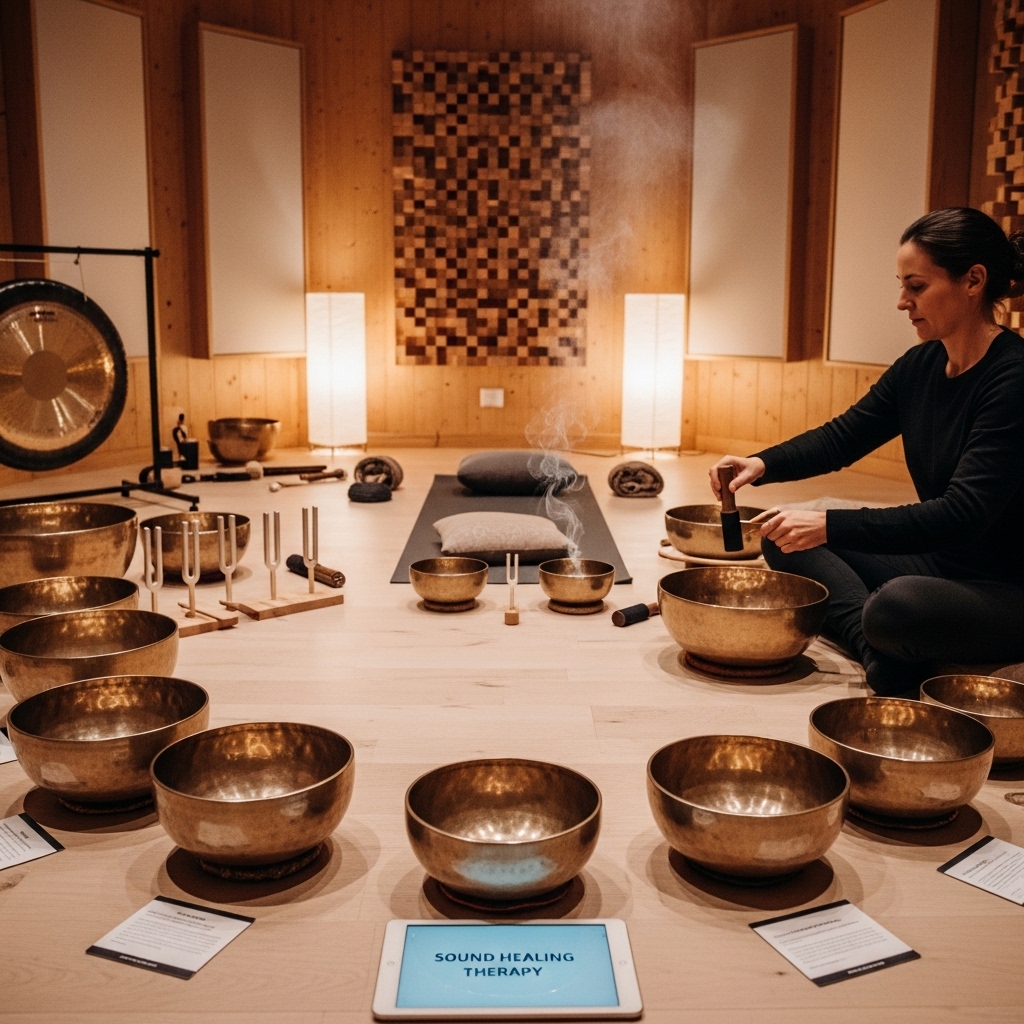
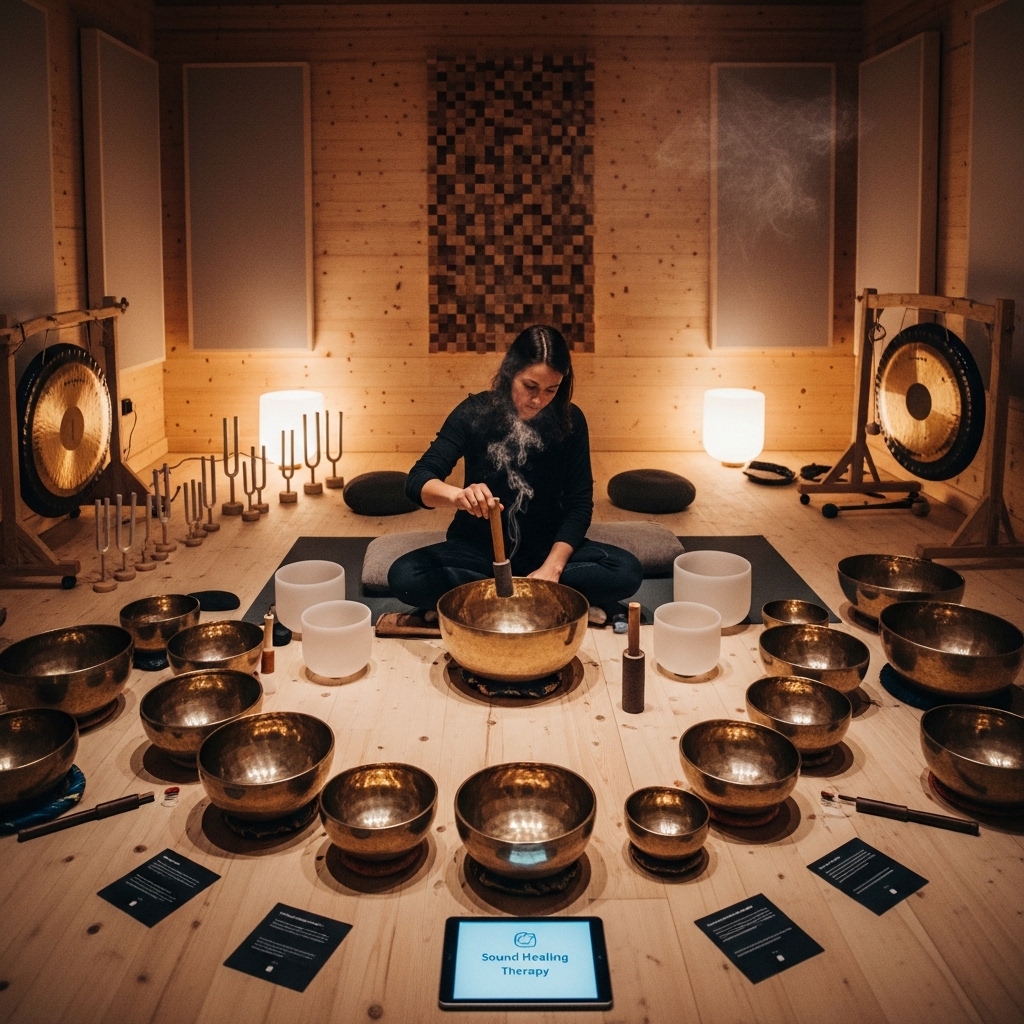
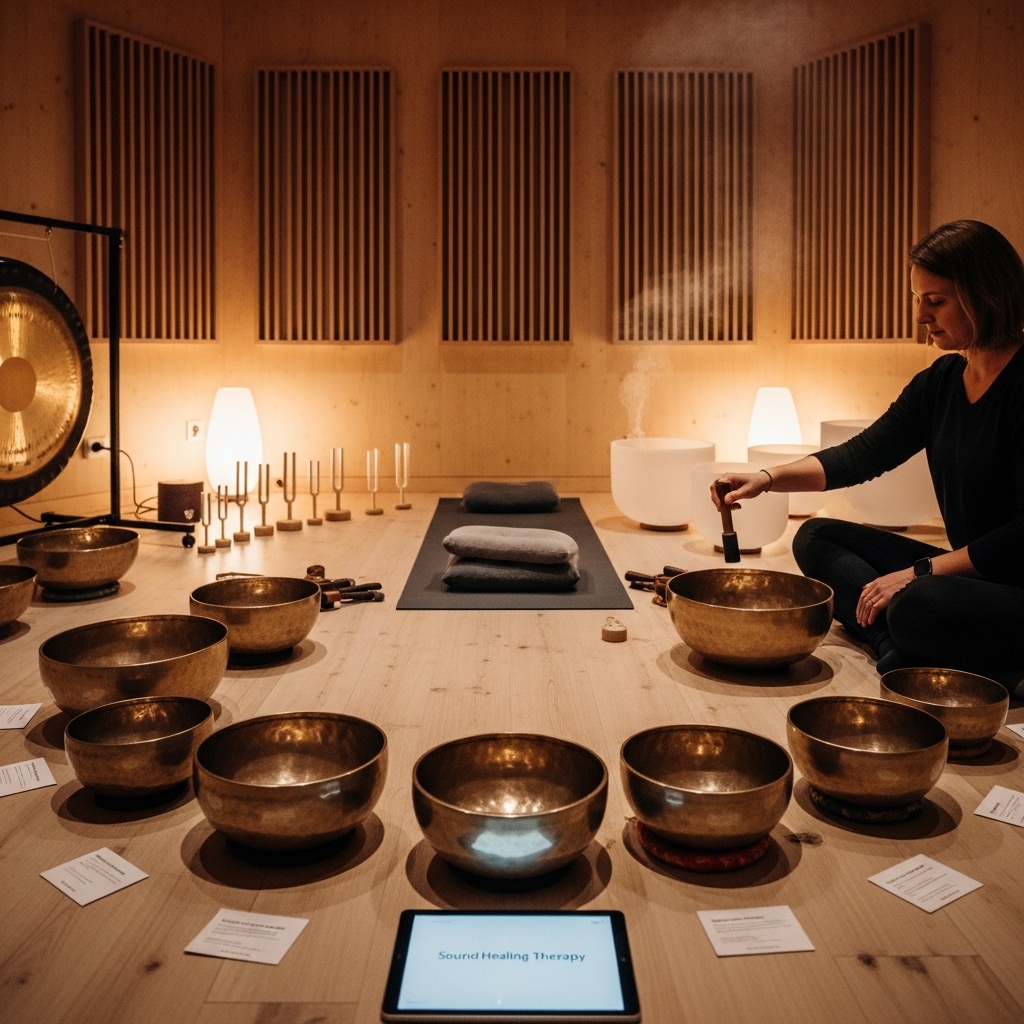
Sound Healing and Vibrational Therapy Guide
Bring Depth, Safety, and Intention to Sound-Based Wellness Offerings
The Sound Healing and Vibrational Therapy Guide is a deeply developed instant digital download created for spa therapists, yoga instructors, holistic practitioners, and wellness professionals who want to incorporate sound-based modalities into their offerings with greater knowledge, structure, and confidence. This is not a vague spiritual overview or a loosely written collection of instrument notes. It is a richly researched digital guide designed to help you understand the practical, sensory, spatial, and therapeutic considerations involved in offering sound healing and vibrational therapy in a way that feels grounded, professional, and deeply supportive to the client experience ✨
As interest in nervous system regulation, sensory healing, and non-invasive wellness modalities continues to grow, sound-based experiences are becoming increasingly appealing in spas, healing centers, yoga spaces, and holistic practices. Yet many practitioners feel caught between inspiration and uncertainty. They may sense the profound potential of sound work, but still need more clarity around instrument selection, session structure, room setup, safety considerations, and how to communicate the experience in a way that builds client trust. That is exactly where this digital resource becomes so valuable.
At its core, this guide helps translate fascination into skilled application. It supports you in moving beyond intuition alone and into a more informed, intentional practice. Rather than simply adding a singing bowl to the room or experimenting with tuning forks without a clear framework, you gain a more thoughtful understanding of how sound and vibration can be integrated into wellness settings with purpose, sensitivity, and care. The result is an offering that feels more credible to clients, more coherent in delivery, and more sustainable as part of your professional practice 🌿
Designed for Wellness Professionals Who Want to Offer Sound Modalities Responsibly and Beautifully
One of the strongest qualities of the Sound Healing and Vibrational Therapy Guide is that it respects both the magic and the responsibility of sound work. Sound healing can feel intuitive, atmospheric, and deeply moving, but it also benefits from structure, safety awareness, and a more refined understanding of how different tools and approaches affect the client experience. This guide was designed for practitioners who want to honor both sides, the soulful and the practical.
Rather than presenting sound therapy as something mysterious and undefined, this resource helps you approach it as a modality that can be thoughtfully designed, skillfully facilitated, and clearly communicated. That matters, especially in client-facing wellness businesses where trust is essential. People may be curious about vibrational work, but they often rely on the practitioner to create a sense of confidence and safety around the experience. The more intentional your approach, the easier it becomes for clients to relax into the session and perceive its value.
This digital guide is especially useful for professionals who want to incorporate sound into a range of treatment contexts, from subtle sound interludes within massage sessions to fully dedicated sound healing journeys. It helps you think not only about what instruments to use, but also when to use them, how to sequence them, what environmental conditions support them, and how to shape an experience that feels therapeutic rather than random.
A Practical and Immersive Guide to Sound-Based Therapeutic Design
Many wellness professionals are drawn to sound healing because they have personally felt its calming or transformative impact. But creating that kind of experience for others requires more than admiration for the instruments themselves. It requires thoughtful session design, sensory awareness, environmental preparation, and an understanding of how different vibrational tools function within a therapeutic setting. This guide brings those elements together into a cohesive digital resource that supports both study and implementation.
Inside, you receive a substantial digital guide that explores key instruments, facilitation methods, planning frameworks, spatial considerations, and client communication tools. It is structured to help you develop both confidence and discernment, so you can make more informed choices about how sound therapy fits into your work and how to offer it in a way that feels complete, safe, and aligned with your professional style.
A few of the high-value areas included in this digital guide are:
-
Singing bowl selection guidance based on size, material, tonal quality, and experiential use
-
Tuning fork application protocols for specific body points and energy center-focused work
-
Gong bath facilitation techniques for both group sessions and individual therapeutic settings
-
Sound journey design frameworks that create intentional emotional and therapeutic arcs
-
Room acoustics optimization guidance for sound therapy spaces and immersive listening environments
-
Contraindication awareness support for vibrational modalities and client safety considerations
-
Client preparation and aftercare communication guides for a more grounded, professional session experience
-
Session planning templates for short integrations and full-length sound healing treatments
Choose Singing Bowls With Greater Discernment and Therapeutic Awareness
Singing bowls are often one of the first instruments practitioners explore when entering the world of sound healing, but selecting them well requires more than simply choosing what looks beautiful or sounds pleasant in a brief demonstration. This guide includes thoughtful support for singing bowl selection by size, material, and tonal quality, helping you approach these instruments with more nuance and practical understanding.
Different bowls create different kinds of experiences. Size influences depth, resonance, and how sound moves through the room. Material affects tonal character and sensory texture. The quality of the vibration itself shapes how the client perceives the session, whether the sound feels grounding, bright, expansive, subtle, soothing, or penetrating. This resource helps you think through those distinctions more intentionally so your selection process becomes aligned with the type of therapeutic environment you want to create.
This is especially valuable for practitioners building a sound toolkit with care rather than collecting instruments impulsively. A more refined understanding of bowl qualities can help you choose instruments that complement each other, suit your physical space, and support the emotional tone of the sessions you want to offer. That kind of discernment strengthens not only the client experience, but also your confidence as a facilitator.
Explore Tuning Fork Work With More Clarity and Precision
Tuning forks can bring a different level of specificity to vibrational therapy, especially for practitioners interested in focused body-point application, subtle energetic work, and sound experiences that feel precise rather than ambient. The Sound Healing and Vibrational Therapy Guide includes structured support for tuning fork application protocols related to specific body points and energy centers, helping you integrate these tools more skillfully into therapeutic settings.
For many practitioners, tuning forks are fascinating but somewhat intimidating. They appear simple, yet their application requires presence, intentionality, and an understanding of how placement, timing, and type of fork influence the client experience. This guide helps create more clarity around that process. It supports you in thinking through how tuning forks may be incorporated into treatments in ways that feel calm, informed, and professionally grounded rather than experimental or vague.
This is particularly helpful for wellness professionals who want to offer sessions that blend tactile awareness, vibrational precision, and subtle nervous system support. Whether used as a focused enhancement within bodywork or as part of a larger sound-based offering, tuning forks can add depth and distinction to a session when applied with knowledge and care 🔔
Facilitate Gong Experiences With More Confidence and Intentional Presence
Gong work can be one of the most immersive and powerful forms of sound therapy, but it also requires sensitivity, pacing, and a deeper understanding of how to hold space for intense vibrational experiences. This guide includes thoughtful guidance around gong bath facilitation techniques for both group sessions and individual work, making it especially valuable for practitioners who want to incorporate gong modalities with greater confidence.
A gong experience is not only about creating volume or intensity. It is about shaping a field of sound that feels immersive, coherent, and intentionally guided. The practitioner’s role is not simply to play the instrument, but to facilitate a journey. That means understanding how sound unfolds over time, how to build and soften energetic intensity, and how to support clients through the immersive qualities that gong work can create.
This resource helps you think about gong facilitation with more care and professionalism, which is especially important in spa and healing settings where clients may be new to the modality. By approaching gong sessions with greater structure and awareness, you can create experiences that feel expansive and therapeutic without becoming overwhelming or uncontained.
Design Sound Journeys That Carry Clients Through a Meaningful Arc
One of the most important parts of offering sound healing well is understanding that a strong session is not simply a collection of tones. It is an experience with movement, pacing, atmosphere, and emotional contour. That is why this digital product includes sound journey design frameworks that help you create sessions with intentional therapeutic arcs.
This is one of the most valuable sections of the guide because it helps transform sound work from instrument use into experience design. A meaningful sound journey often has a beginning, a middle, and a return. It may invite grounding, opening, release, deep stillness, spaciousness, or reintegration. The client should feel guided through something, even when much of the session remains wordless. That sense of arc can make the difference between a sound session that feels profound and one that feels musically interesting but therapeutically unfocused.
These frameworks are particularly useful for practitioners offering dedicated sound healing experiences, group sound baths, retreat sessions, or hybrid treatments that blend bodywork with vibrational elements. By giving more attention to the emotional and sensory progression of the session, you create something more memorable, more trustworthy, and more beneficial for the client’s overall experience.
Optimize the Room So the Space Supports the Modality
Sound therapy is deeply influenced by environment. Even the most beautiful instruments can feel less effective when the room itself is acoustically harsh, visually distracting, or poorly arranged for listening and resonance. This guide includes practical direction for room acoustics optimization so your sound therapy space supports the session instead of working against it.
This matters more than many practitioners initially realize. Sound is shaped by walls, surfaces, layout, softness, openness, and the overall sensory behavior of the room. A space that is too reflective may feel sharp or fatiguing. A space that is too dead may flatten the richness of the instruments. The guide helps you think through how room qualities affect client perception, immersion, and comfort, so you can create an environment that feels more supportive and more intentional 🎶
This is especially useful for spas, yoga studios, healing centers, and private practices that want sound therapy to feel like a well-integrated part of the environment rather than an add-on squeezed into a generic room. Better acoustic awareness can significantly elevate both the professionalism and the therapeutic impact of your offering.
Build Trust Through Safety Awareness and Contraindication Sensitivity
A truly professional sound healing practice needs more than beauty and intuition. It also needs sound judgment. This digital resource includes support for contraindication awareness for vibrational modalities, which is essential for practitioners who want to offer these services responsibly and build client trust through informed care.
This section helps reinforce an important truth: even gentle wellness modalities deserve thoughtful screening and awareness. Not every client will respond to sound and vibration in the same way, and certain circumstances may call for modification, caution, or a different session approach. By understanding where greater care is needed, you strengthen both your professionalism and your client communication.
For practitioners working in spas, healing centers, or one-on-one holistic settings, this kind of safety awareness is one of the clearest signs of maturity in practice. It communicates that the session is not being offered casually or romantically, but with respect for the client’s full wellbeing and individual condition.
Prepare Clients Well and Support the Experience Afterward
Client experience begins before the first tone and continues after the final vibration fades. That is why this guide includes client preparation and aftercare communication guides, helping you create a more complete and reassuring container around sound-based treatments.
Many clients are drawn to sound healing with curiosity, but they may not know what to expect. A thoughtful preparation process can help them arrive feeling more comfortable, receptive, and informed. Clear communication can reduce uncertainty and support a more trusting relationship with the modality. Aftercare matters too, especially after deeper sessions that may leave clients feeling unusually relaxed, reflective, spacious, or energetically shifted.
These communication resources help you present the experience more professionally and with greater sensitivity. Instead of leaving the client to guess what the session involves or how to process it afterward, you offer a clearer pathway into and out of the treatment. This kind of communication can significantly strengthen perceived value, satisfaction, and repeat booking confidence.
Plan Sessions That Work Across Different Wellness Settings
One of the most commercially practical strengths of the Sound Healing and Vibrational Therapy Guide is that it includes session planning templates for treatments ranging from short sound interludes within massage sessions to fully dedicated sound healing experiences. This makes the resource useful not only for specialized sound practitioners, but also for wellness professionals who want to begin integrating sound work gradually into their existing service menu.
This flexibility matters. Some practitioners want to offer a brief vibrational enhancement at the beginning or end of a bodywork treatment. Others want to build stand-alone sound experiences that carry their own identity and price point. Some may want to create private sessions, while others are interested in small groups, workshops, or retreat programming. This guide supports those varied possibilities by helping you think through session structure in a way that remains adaptable without becoming vague.
That means the product is not only educational, it is directly useful in service development. It helps you envision how sound modalities can fit into your current work, how they may expand over time, and how to build offerings that feel both therapeutically meaningful and professionally marketable.
What You Receive
This instant digital download is created for immediate access and practical implementation. You receive a digital-only resource package centered around sound healing, vibrational therapy integration, instrument understanding, session design, acoustic awareness, safety considerations, and client communication. Depending on the version and delivery format, the files may include structured educational guides, planning templates, protocol references, session development tools, communication resources, and digital reference materials in formats commonly used for wellness education and service planning, such as PDF, Canva, Google Sheets, Excel, Notion, DOCX, PPTX, ZIP, and similar digital file types.
Your purchase is for a digital product only. It is delivered as an instant digital download, which means you can access the files electronically right after purchase and begin working with the materials immediately. No physical item will be shipped. Nothing will be mailed to you, and no printed manual, instrument kit, or physical product is included.
To make the value especially clear, the digital bundle may include resources such as:
-
Instrument selection and comparison guides
-
Tuning fork and vibrational application references
-
Gong and sound journey planning tools
-
Room setup and acoustic optimization resources
-
Contraindication and client awareness materials
-
Preparation, aftercare, and session communication templates
-
Treatment planning frameworks for short and full-length sessions
Because it is digital, this guide offers the flexibility needed by modern wellness professionals. You can study it as a foundational learning resource, use it while refining your sound therapy menu, revisit it when setting up treatment rooms, or apply it when training yourself or your team to deliver more confident, intentional sound-based experiences.
For Practitioners Who Want Sound Offerings to Feel Trustworthy, Therapeutic, and Memorable
This product is especially valuable for spa therapists, yoga instructors, and holistic practitioners who already sense the profound relaxation and therapeutic potential of sound-based modalities and want to offer them with more depth, more safety awareness, and more intentional structure. It is for professionals who do not want sound healing to feel like a decorative trend or a loosely understood add-on, but rather a modality approached with respect, care, and real presence.
That is the promise behind this guide. It helps you build a stronger foundation for offering sound-based treatments that clients can trust, enjoy, and return to. It helps you make better decisions about instruments, space, pacing, client preparation, and therapeutic flow. It supports a more complete expression of sound healing, one that feels serene and expansive on the surface, but is clearly backed by thoughtfulness and professional intention underneath.
If your goal is to integrate singing bowls, tuning forks, gongs, and vibrational therapy more skillfully into your wellness practice, this digital resource gives you far more than inspiration. It gives you a structured, immersive, and professionally useful guide for creating sound experiences that feel safe, restorative, and deeply worth remembering
This is an instant digital download created for wellness professionals ready to incorporate sound healing and vibrational therapy with greater knowledge, sensitivity, and confidence. No physical item will be shipped, only digital files designed to help you build trust, create intentional sessions, and offer sound-based wellness experiences that encourage relaxation, therapeutic depth, and repeat bookings.
Reviews
There are no reviews yet.